
How Viva Fashion Premium Denim Actually Holds Its Shape Through Years of Wear
A pair of jeans that sags at the knees or stretches out at the waistband after a single wear isn’t premium—it’s poorly engineered. Real shape retention starts in the mill, not the marketing copy.
We’ve engineered every Viva Fashion denim silhouette around three factors: fiber twist, weave density, and chemical finishing. These are the variables that determine whether your denim keeps shape through years of use or becomes unwearable in months. This guide walks through the science behind lasting fit and the practical differences you’ll notice when construction is done right.
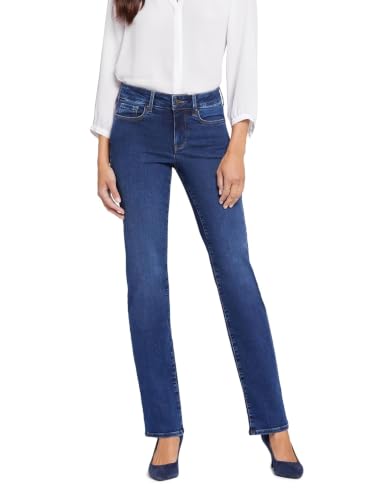
Fiber Twist and Core Stability
Yarn twist determines how much a denim fiber can stretch before it loses memory. Low-twist yarns feel softer initially but allow more elongation under stress—meaning the fabric gradually expands at pressure points like the seat and knees.
Viva Fashion premium denim uses a Z-twist construction with 18–22 turns per inch, which locks the fibers into a tighter coil. This creates resistance to deformation without sacrificing drape. The result is a jean that returns to its original dimensions after you take it off, rather than slowly conforming to your seated posture over the course of a day.
Why Ring-Spun Matters
Ring-spun yarns (as opposed to open-end) produce a smoother, denser fiber with fewer protruding ends. Fewer loose ends mean less pilling and less surface distortion over time. Every men’s jean in our catalog uses ring-spun warp and weft for this reason—it’s the foundation of shape stability, not a premium add-on.
Weave Density and Fabric Weight
A heavier fabric isn’t automatically more durable, but it does resist stretching better than a lighter one if the weave is tight. Viva Fashion premium denim ranges from 12.5 to 14 ounces per square yard, with an end-count (threads per inch) of 60 x 52 or higher.
That density means the individual yarns are packed closely enough that they can’t shift under tension. When you sit, squat, or bend, the fabric flexes rather than stretching—so it doesn’t develop permanent bag-out at the knees or thighs.
Comparing Stretch vs. Non-Stretch
Stretch denim (typically 1–3% elastane) offers comfort but trades some shape retention. Non-stretch 100% cotton holds its form better over time but requires a longer break-in period. We use both constructions across different fits, but even our stretch styles incorporate high-twist yarns and tight weaves to minimize shape loss. The elastane content is held below 2% in every case—enough to ease movement, not enough to allow permanent deformation.
Chemical Finishing and Dimensional Stability
Raw denim shrinks and distorts unpredictably after the first wash unless it’s been sanforized or otherwise pre-shrunk. Sanforization is a mechanical compaction process that forces the fabric to shrink before it’s cut and sewn, locking in the dimensions.
Every Viva Fashion denim garment is sanforized and then subjected to a resin finish that cross-links the cellulose fibers. This chemical treatment prevents the yarns from relaxing back into a looser state after repeated laundering. According to Wikipedia’s overview of denim production, these finishing steps are what differentiate industrial-grade denim from fashion-grade fabric—and they’re non-negotiable for shape retention.
Enzyme Washes and Shape Loss
Enzyme washes (cellulase treatments) soften fabric by breaking down surface fibers, but they also weaken yarn cohesion if overused. We limit enzyme exposure to a single short cycle and follow it with a neutralizing rinse to halt fiber degradation. The result is soft hand-feel without compromising the structural integrity that keeps denim from bagging out.

Waistband and Pocket Construction
A jean can use premium denim and still lose its shape if the waistband stretches or the pocket bags pull out. Viva Fashion reinforces every waistband with a grosgrain ribbon sewn into the seam allowance, which prevents the denim itself from bearing all the tensile load.
Pocket bags are cut from a tighter twill weave than the outer denim, so they don’t distort when loaded with keys, a wallet, or a phone. Bar tacks at stress points (pocket corners, belt loops, fly base) distribute force across multiple stitches rather than concentrating it on a single thread. These details are invisible but they’re the reason a well-made jean maintains its silhouette after hundreds of wears.
What Shape Retention Actually Costs
The construction details that allow denim keeps shape over years—high-twist ring-spun yarns, tight weaves above 60 ends per inch, sanforization, resin finishing, and reinforced stress points—add cost at every stage of production. A jean that retails for $40 cannot include all of these steps and remain profitable.
Viva Fashion premium denim starts at $120 because every pair includes the full suite of engineering required for lasting fit. That price reflects the reality of textile manufacturing, not an arbitrary markup. When you buy a jean that holds its shape through hundreds of wears, you’re paying for fewer replacements over time—and that’s the actual economy of quality.
Common Questions About Premium Denim Shape Retention
Wash every 5–7 wears or when visibly soiled. Frequent washing won’t cause stretching if the denim is properly finished, but it will accelerate indigo fade. Turn jeans inside-out, use cold water, and skip the dryer—air drying prevents heat-induced fiber relaxation.
Not if the elastane content is kept below 2% and the base yarns are high-twist. Viva Fashion stretch styles use the same ring-spun construction and tight weave as our non-stretch denim, so shape retention is comparable. The difference shows up only after years of daily wear, not months.
Expect 2–3 weeks of daily wear before the fabric conforms to your body without losing its structure. Non-stretch denim keeps shape better long-term precisely because it resists this conforming process—it never fully relaxes, so it never sags.
Yes, as long as the tailor doesn’t remove structural elements like the waistband ribbon or bar tacks. Hemming and taking in the waist are safe. Letting out seams can compromise shape retention if the original stitching was load-bearing.
No. Dye depth influences fade patterns but not structural properties. Shape retention comes from yarn construction and finishing chemistry, not color. A heavily faded jean and a dark-wash jean from the same bolt of denim will perform identically in terms of stretch resistance.
Either the weave density was too low, the yarns were low-twist, or the finishing process was incomplete. Premium pricing doesn’t guarantee premium construction. Look for sanforized fabric, ring-spun yarns, and a fabric weight above 12 ounces as minimum indicators of real shape stability.